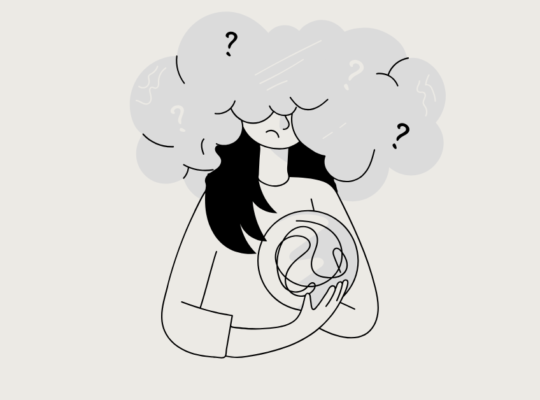

Anxiety is one of the most common mental health challenges faced by adults in India today. Yet many people do not realize that what they are experiencing is anxiety. Instead, they describe it as stress, overthinking, nervousness, or weakness.
Occasional anxiety is a normal part of life. It helps us stay alert and prepared. However, when anxiety becomes frequent, intense, or starts interfering with daily life, it may signal an underlying problem that deserves attention.
Ignoring anxiety does not make it disappear. In fact, untreated anxiety often grows stronger over time, affecting physical health, work performance, relationships, and self-confidence.
In this guide, you will learn:
- The most common emotional, physical, and behavioral anxiety symptoms
- Early warning signs that your anxiety may be becoming serious
- Why anxiety is increasing among adults in India
- Practical strategies to manage anxiety
- How professional consulting can help
- A free worksheet to begin understanding your anxiety patterns
What Is Anxiety?
Anxiety is your body’s natural response to perceived danger or stress. When the brain senses a threat, it activates the “fight or flight” system. This causes changes such as faster heartbeat, tense muscles, and heightened alertness.
This response is helpful in real danger. But when the brain remains in this mode even without immediate threats, anxiety becomes chronic.
Chronic anxiety can feel exhausting. You may constantly anticipate problems, replay past mistakes, or worry about future outcomes. Over time, this pattern can become automatic, even when things are objectively okay.
Emotional and Cognitive Symptoms of Anxiety
Anxiety often begins in the mind. Common emotional and thinking-related symptoms include:
- Constant worrying that feels difficult to control
- Racing or looping thoughts
- Fear that something bad will happen
- Feeling on edge, tense, or restless
- Difficulty concentrating
- Irritability or short temper
- Feeling overwhelmed by small tasks
You may notice that your mind jumps to worst-case scenarios or predicts negative outcomes even without strong evidence.
Physical Symptoms of Anxiety
Anxiety frequently shows up in the body. Many people seek medical help for physical complaints before realizing anxiety is the cause.
Common physical symptoms include:
- Tight chest or pressure
- Shortness of breath
- Rapid or pounding heartbeat
- Headaches or migraines
- Muscle tension in neck, shoulders, or jaw
- Stomach pain, nausea, or digestive issues
- Dizziness or lightheadedness
- Excessive sweating
- Fatigue
- Trouble falling or staying asleep
When medical tests are normal but symptoms persist, anxiety is often the underlying factor.
Behavioral Signs You Shouldn’t Ignore
Anxiety also changes how you behave:
- Avoiding social events or meetings
- Procrastinating important tasks
- Constantly checking messages or emails
- Seeking reassurance repeatedly
- Overworking to prevent mistakes
- Withdrawing from family or friends
- Increased screen time or scrolling
These behaviors temporarily reduce discomfort but reinforce anxiety long term.
Early Warning Signs of Problematic Anxiety
Pay attention if you notice:
- Anxiety most days of the week
- Symptoms lasting more than two weeks
- Decline in work or academic performance
- Sleep problems several nights per week
- Loss of interest in activities you once enjoyed
- Feeling unable to relax
Early support can prevent anxiety from becoming more severe.
Why Anxiety Is Increasing in India
Several modern stressors contribute to rising anxiety levels:
- Academic and competitive exam pressure
- Long work hours and job insecurity
- Financial responsibilities
- Family expectations
- Urban lifestyle and lack of rest
- Social media comparison
- Reduced face-to-face emotional support
These pressures accumulate and overload the nervous system.
Practical Ways to Manage Anxiety
1. Regulate Your Breathing
Slow breathing tells your brain you are safe.
Try this:
Inhale for 4 seconds → Exhale for 6 seconds
Repeat for 5 minutes.
2. Build Thought Awareness
Write down anxious thoughts. Ask:
- Is this a fact or a prediction?
- What evidence supports this thought?
- What is a more balanced alternative?
This weakens catastrophic thinking.
3. Reduce Stimulation
Limit caffeine, excessive news consumption, and late-night screen time. These increase nervous system activation.
4. Create Daily Structure
Regular sleep, meals, and light exercise stabilize mood and energy.
5. Practice Emotional Expression
Talking about your feelings or journaling prevents emotional buildup.
How Professional Consulting Helps
Working with a trained consultant provides structured guidance to:
- Identify personal anxiety triggers
- Understand thought patterns
- Learn emotional regulation skills
- Build coping strategies
- Improve self-confidence
- Set realistic goals
Sessions are confidential, supportive, and tailored to your needs.
Anxiety does not mean something is wrong with you. It means your nervous system is under strain. With the right support and skills, you can regain control and feel more balanced.
If you are ready to take the next step:
- Book an Online Consultation
- Download the Free Worksheet