
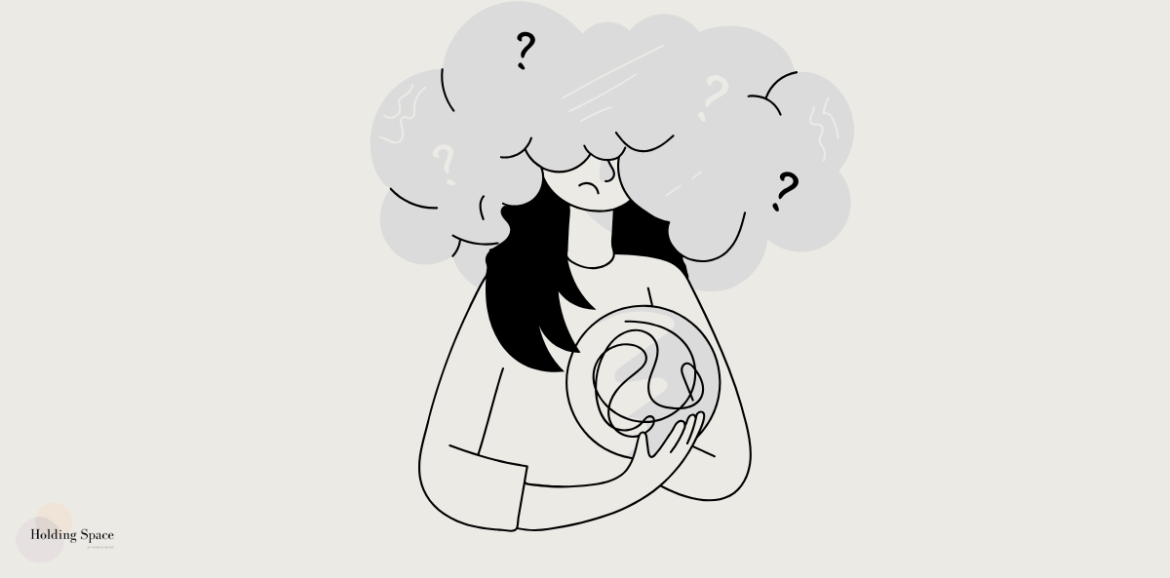
Have you ever stayed awake replaying every awkward thing you said at dinner? Or spent half your morning weighing six different dinner choices like they were career decisions? You’re not imagining it—overthinking is extremely common. In fact, research suggests:
- Nearly 73% of adults aged 25–35 chronically overthink, and more than half of people aged 45–55 do too. (aljamouss.com)
- Around the world, the average person spends about 89 minutes a day overthinking, which adds up to over 10 hours a week, or roughly 22 days a year lost to rumination. (moneysupermarket.com)
That’s time you could be sleeping better, building relationships, or finally launching that project you’ve been putting off.
In this article-
How Your Brain Gets Stuck in Thought Loops
Your brain isn’t trying to be annoying. It’s trying to keep you safe but sometimes it overshoots.
1. Default Mode Network (DMN) Gets Stuck
When you’re not actively engaged in a task, the brain activates the Default Mode Network (DMN). This network is responsible for self-reflection, memory, and future planning. While useful in moderation, excessive DMN activity is strongly associated with rumination and repetitive thinking. Instead of problem-solving, the brain loops through past events and imagined futures without reaching conclusions.
2. Negative Bias Keeps You Lingering on Bad Thoughts
From an evolutionary perspective, remembering threats was more important than remembering neutral or positive events. As a result, the brain gives negative experiences more weight and keeps them active longer. This bias makes mistakes, awkward moments, and worries feel more urgent and harder to let go of, even when they are no longer relevant.
3. Intolerance of Uncertainty Fuels “What If?” Thinking
The brain dislikes not knowing. When outcomes are unclear, it attempts to predict and rehearse every possible scenario to regain a sense of control. Unfortunately, most real-life situations don’t offer certainty, so the brain keeps generating “what if” thoughts without relief. This is a core mechanism behind chronic overthinking and anxiety.
Real Consequences of Overthinking
Overthinking isn’t just a mental quirk, it affects your daily life.
Decision Paralysis
When you analyze every possibility, you can end up doing nothing at all. This “analysis paralysis” is one reason so many people delay decisions, big and small.
Sleep Disruption
Our brains often spin their worst narratives at night. As a result, many people who tend to overthink also report trouble falling asleep or achieving restful sleep.
Mental Health Challenges
Research has linked chronic rumination to heightened anxiety and depression, partly because the brain’s stress response stays turned on longer during extended thinking loops.
How to Outsmart Your Brain’s Tricks
The good news? You don’t have to be stuck in this loop forever. Here are research-backed ways to break free:
Mindfulness & Present-Moment Awareness
Anchoring your thoughts in the present reduces default mode network overactivity and helps cut the cycle of rumination.
Cognitive Behavioral Techniques (CBT)
CBT helps you notice patterns of thought that lead to overthinking—and replace them with more productive ones.
Physical Activity
Movement doesn’t just burn calories—it also interrupts repetitive thought patterns and lowers stress hormones.
Talk It Out
Sharing your worries with someone else makes thoughts feel less intense and gives your brain a different lens to view the situation.
Overthinking isn’t a moral failing, it’s a mental habit shaped by how your brain evolved. But once you understand why those thoughts stick, you can start to redirect your energy toward what matters most. Instead of being trapped in what-ifs, you can live more in what-is. That’s where confidence, productivity, and peace of mind live and they’re choices you can build one thought at a time.
Reach out
A calm conversation can be the first step toward clarity, emotional relief, and real change. If you’re ready to begin counselling but you’re unsure where to start, you’re welcome to reach out by filling out the ‘Request a Free Consultation’ form on my home page.